
Bathroom Décor: Why Natural Materials Never Go Out of Fashion
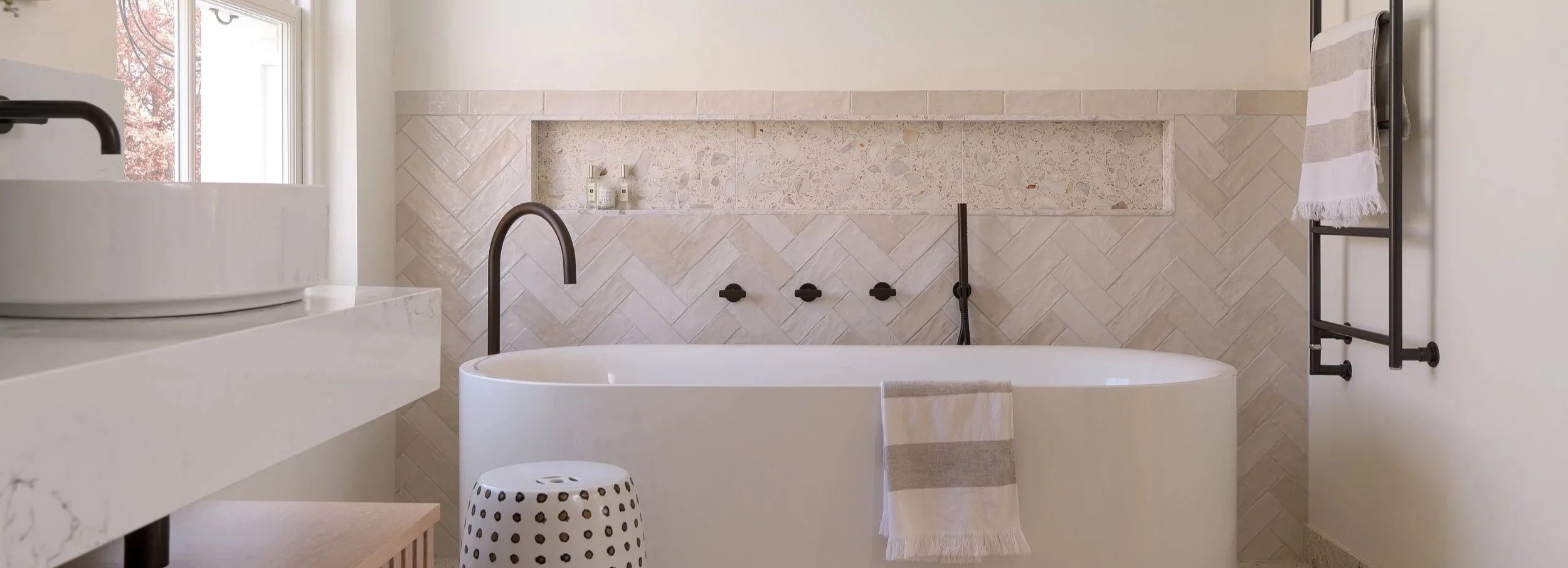
Trends may shape the way we decorate our homes, but some materials have an appeal that extends far beyond a particular moment. Natural stone, marble, timber and brass have been used in interiors for generations, bringing warmth, character and a sense of permanence that manufactured alternatives can often struggle to replicate.
In the bathroom, where longevity matters just as much as appearance, these materials feel particularly at home. Not only are they beautiful, but many develop even more character with age, allowing a bathroom to evolve naturally over time rather than quickly feeling dated.
So, what gives natural materials their enduring appeal, and how can you use them to create a bathroom that will feel beautiful for years to come?
The Beauty of Imperfection
Perhaps the greatest appeal of natural materials is that no two pieces are exactly the same.
The veining running through a slab of marble, the knots and grain within timber or the subtle variations across natural stone all give a bathroom individuality. Rather than creating a completely uniform finish, these differences introduce depth and character to a space. It's also why natural materials can feel so timeless. Their beauty doesn't rely on a particular pattern or trend; it comes from the material itself.
When choosing stone or timber for your bathroom, embrace these variations rather than trying to eliminate them. Looking at samples in person can help you appreciate how colours, textures and markings will work alongside the other elements within your scheme.
Natural Stone Brings Character and Depth
Stone has been used in architecture and interiors for centuries, and its ability to complement both traditional and contemporary spaces is a large part of its lasting appeal.
Limestone, travertine, slate and marble can all bring something different to a bathroom. Softer, warmer stones can create a relaxed and inviting atmosphere, while stronger veining or deeper tones can make a much more dramatic statement. Natural stone can be used across floors and walls for an immersive effect or introduced more selectively through a vanity top, basin, splashback or feature area. Practicality should always be considered alongside appearance. Natural stones vary in porosity and maintenance requirements, particularly when used in wet areas, so it's important to select a material that is suitable for its intended use and ensure it is correctly sealed and cared for.

Marble Has Enduring Elegance
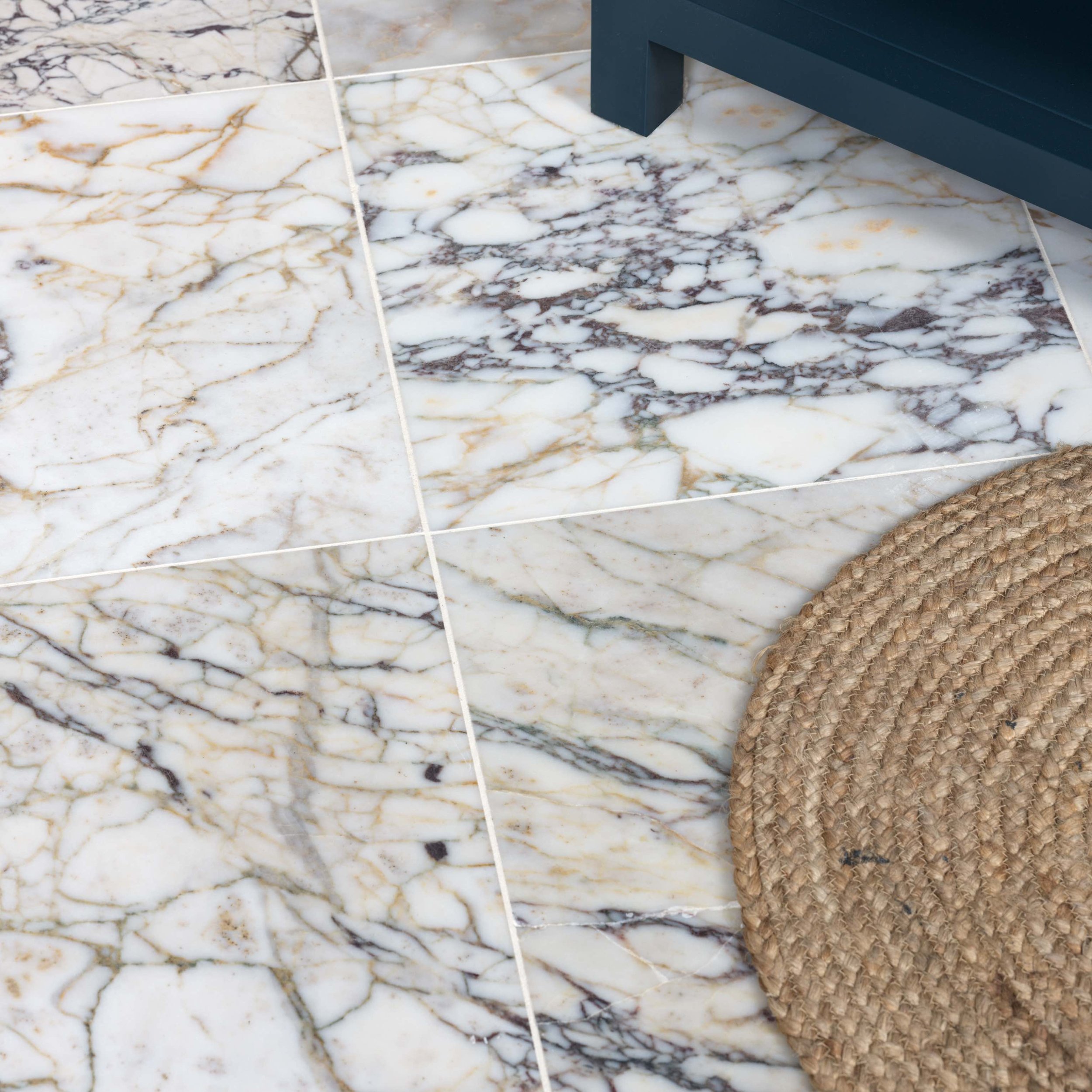
Few materials have quite the same association with timeless interiors as marble.
Its distinctive veining creates natural movement and pattern without the need for additional decoration, making it particularly effective in bathrooms where a relatively simple palette can allow beautiful materials to take centre stage. For a subtle approach, marble can be introduced through a vanity top, basin or small tiled area. Alternatively, larger expanses of marble can create an impressive focal point, particularly around a bath or within a shower.
There is also far more choice than classic white marble. Warmer creams, rich greens, deep browns and stones with dramatic veining can completely change the mood of a bathroom while retaining the material's unmistakable character.
[image, Ripples case study]
Timber Adds Warmth
Bathrooms contain an abundance of hard surfaces, making timber an invaluable way to introduce warmth and softness.
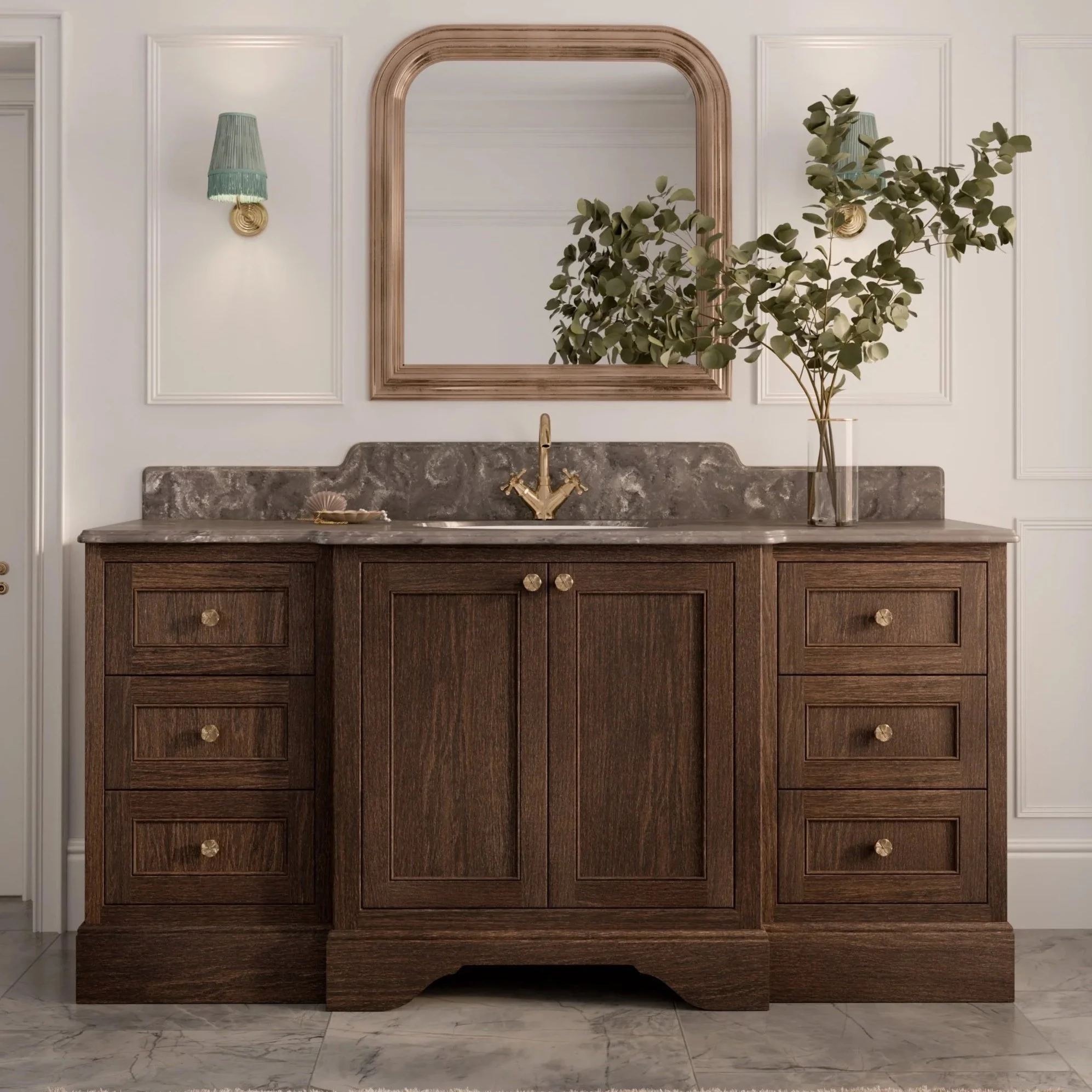
A timber vanity unit can instantly change the feel of a space, adding natural texture alongside ceramic, glass and stone. Lighter woods can create a calm, relaxed atmosphere, while walnut and darker timber finishes bring richness and depth. Timber also pairs particularly well with other natural materials. Combine it with textured stone for an organic, understated scheme or introduce warm brass finishes to enhance its natural tones.
Because bathrooms experience regular changes in moisture and humidity, it's important to choose timber products and finishes designed for the environment. With the right specification and care, timber can remain a beautiful part of a bathroom for many years.
Brass Develops Character Over Time
Brass is another material whose appeal lies partly in the way it ages.
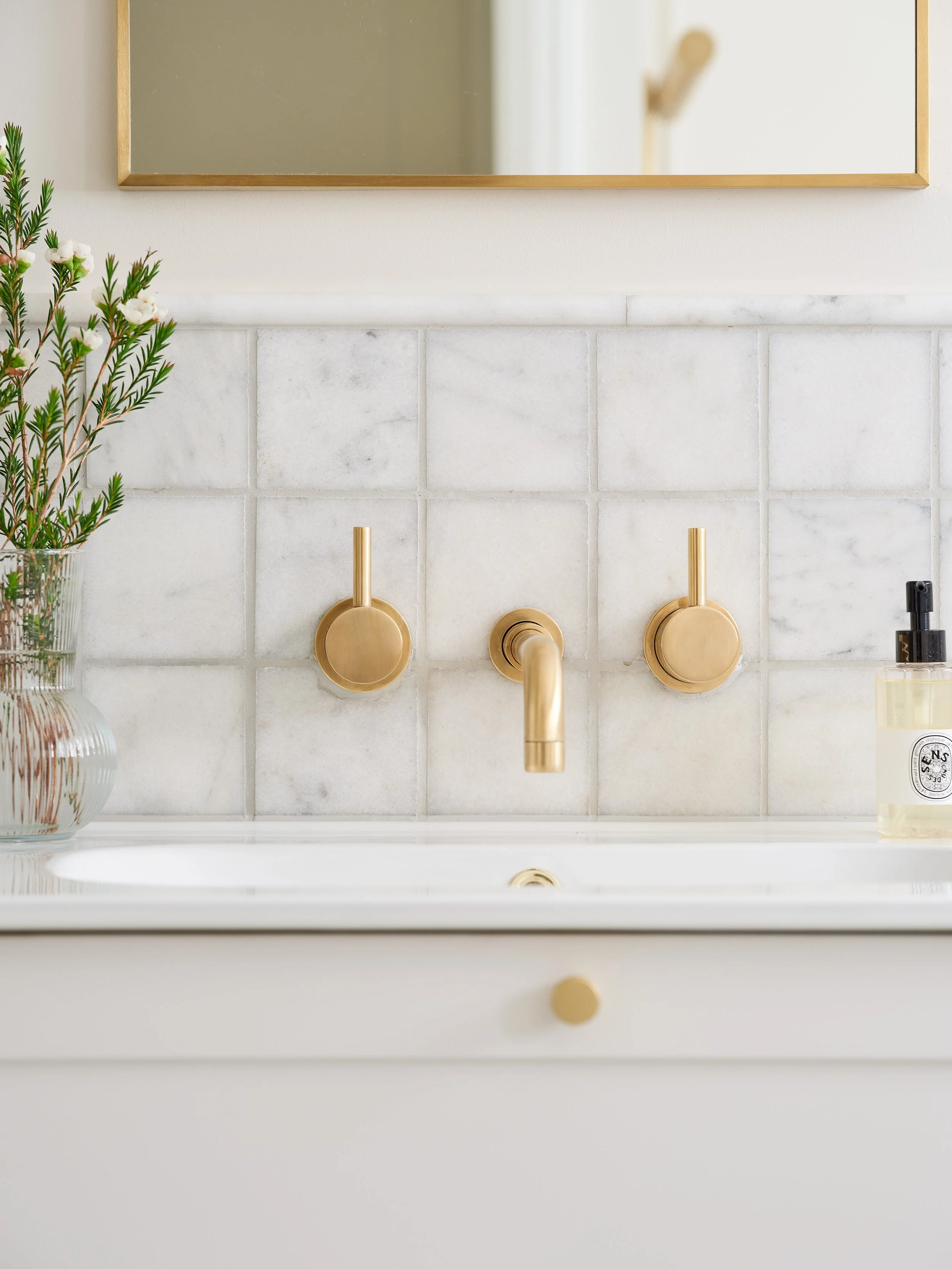
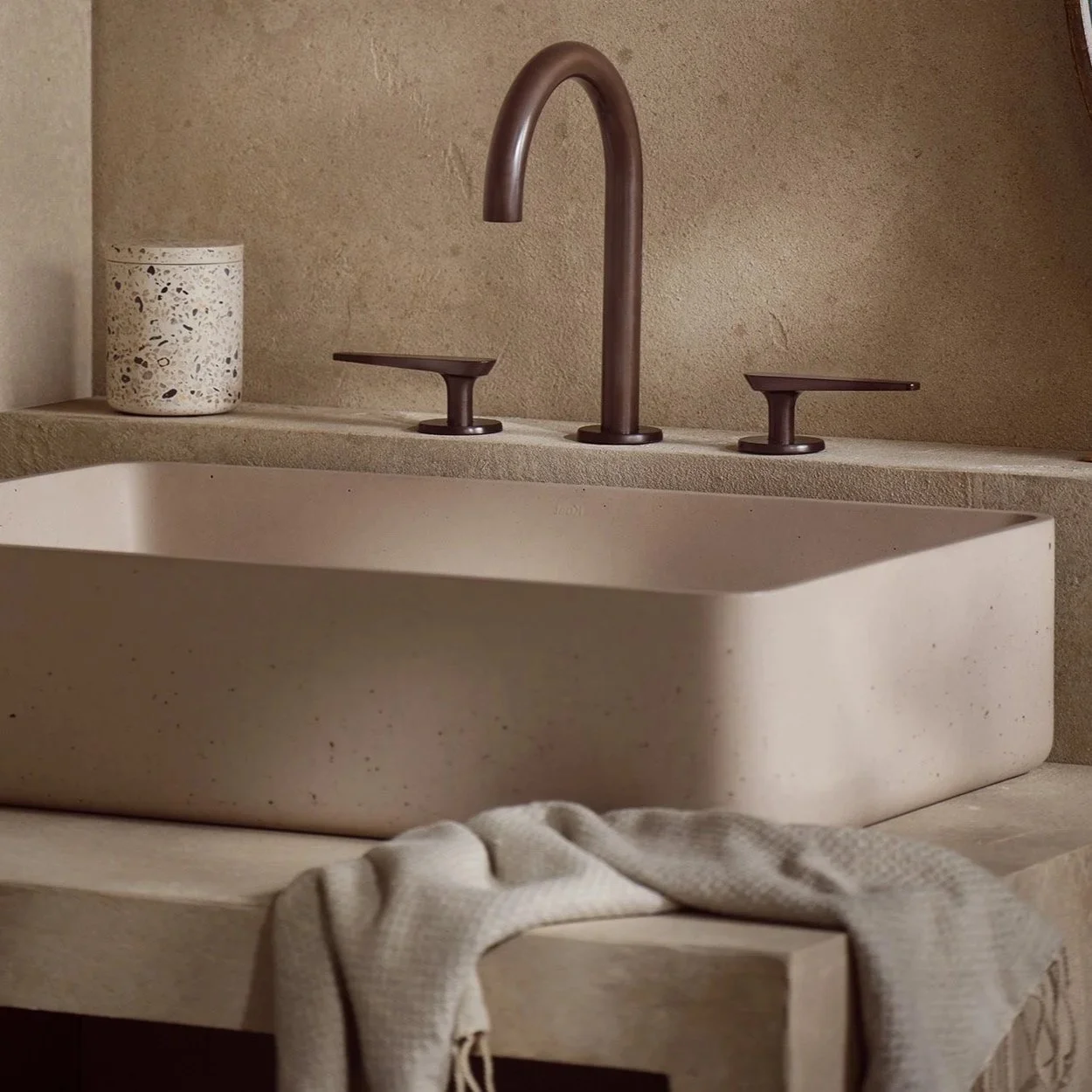
While polished and protected finishes can retain a more consistent appearance, living finishes such as unlacquered brass gradually develop a patina through exposure to air, moisture and everyday use. Rather than being considered an imperfection, this changing surface is part of the material's charm. Over time, the finish becomes unique to the space and can bring a sense of history to even a newly designed bathroom. Brass also provides a beautiful contrast to stone and timber. Used across taps, showers, handles, lighting or mirrors, its warmth can help soften a bathroom and bring different elements of the design together.
Natural Materials Work Beautifully Together
You don't need to choose just one natural material. In fact, layering different textures and finishes can make a bathroom feel far more interesting.
The key is to create balance. The grain of timber can soften the surface of stone, while brass introduces warmth and marble brings natural pattern. Rather than trying to match every element perfectly, look for materials that share similar undertones or complement one another.
A warm limestone might sit beautifully alongside oak and aged brass, for example, while a heavily veined marble can be balanced by simple timber furniture and understated fittings. Allowing one material to become the focal point while others provide supporting texture can also prevent the space from feeling too busy.
Designed to Become More Beautiful With Age
Perhaps the greatest difference between natural materials and many trend-led finishes is that they don't necessarily need to remain pristine to retain their beauty.
Stone develops character, timber can deepen in tone and certain brass finishes naturally change over time. These subtle signs of age can add to the richness of a room rather than detract from it. It encourages a different way of thinking about bathroom design: rather than creating a space that looks perfect only on the day it is finished, consider how the materials will live within your home over the next five, ten or twenty years.
Choosing materials with longevity at their heart can help create a bathroom that feels established rather than dated as time passes.
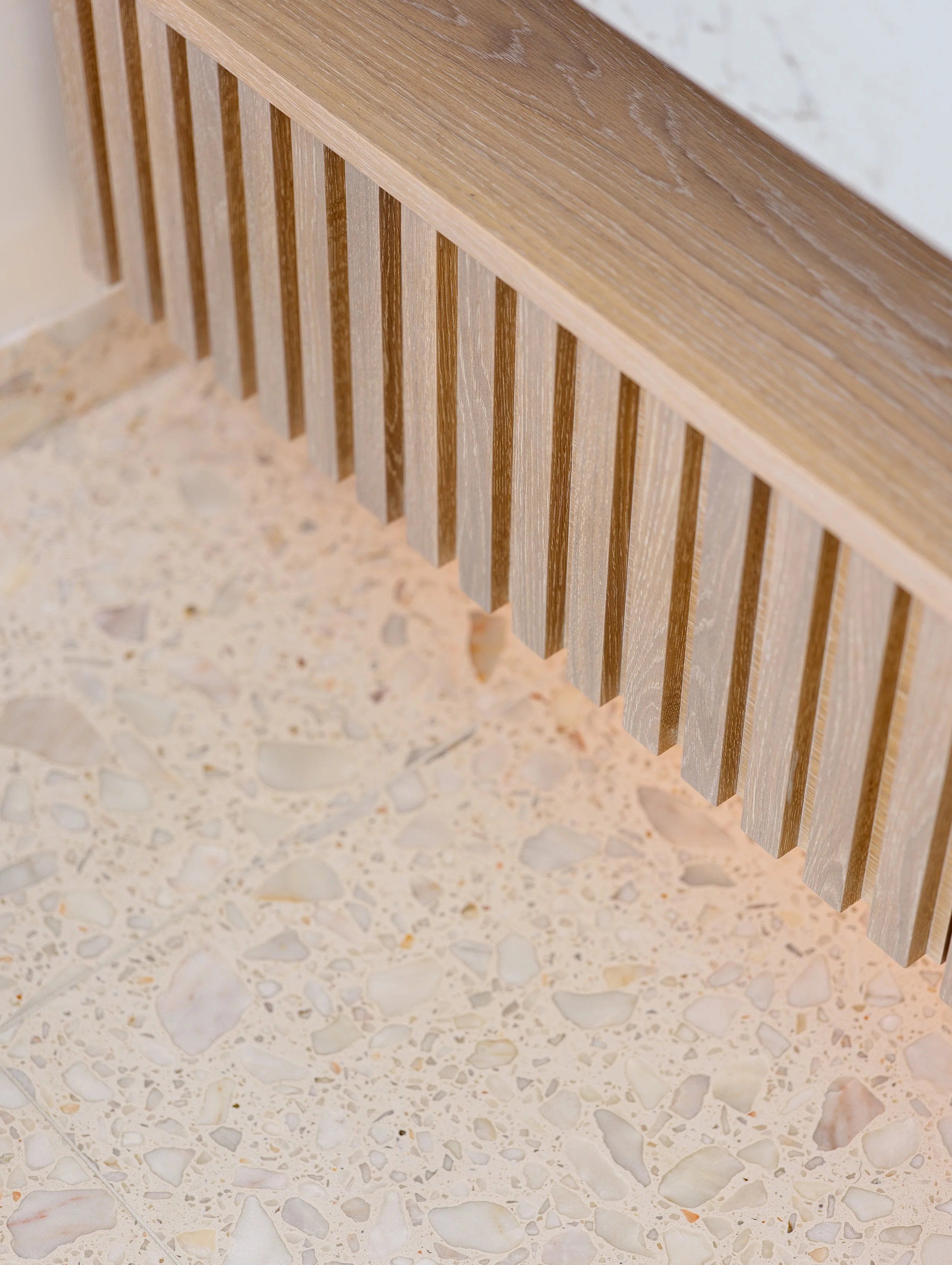
Rialto Terrazzo Bathroom Tile
Timeless bathroom design isn't about avoiding trends altogether. It's about creating a strong foundation that doesn't depend on them.
Investing in beautiful natural materials for the elements you expect to live with for many years gives you the freedom to introduce changing colours, accessories and decorative details elsewhere. Most importantly, choose materials because you genuinely love how they look and feel within your home. When quality, practicality and personal style are considered together, the result is a bathroom that can continue to feel special long after the latest trends have moved on.
At Ripples, our experienced bathroom designers can help you bring together materials, finishes and products to create a bathroom that feels considered, personal and designed to last. Visit your nearest Ripples showroom to start planning your space.
Find your nearest showroom and discover how thoughtful design can transform your bathroom into your favourite room in the house.

Martin Ogden imparts his expert knowledge on creating a thriving botanical bathroom.
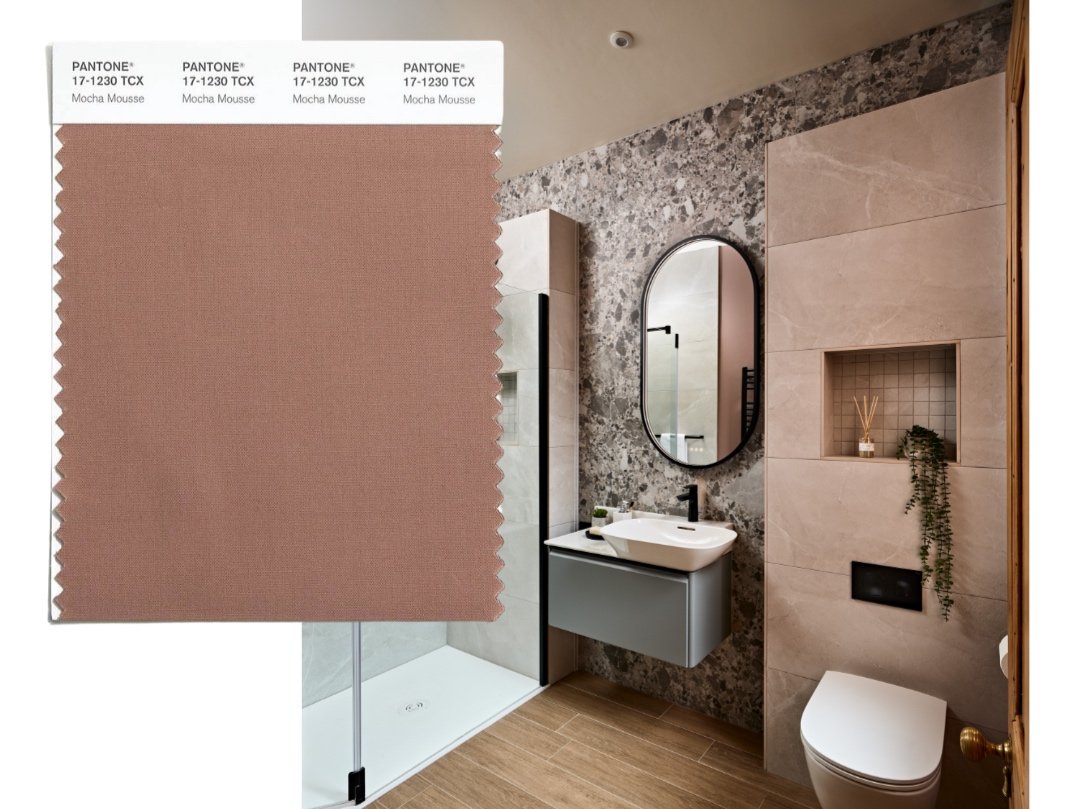
Mocha Mousse - Pantone colour of the year