
Designer advice: What Does a Bathroom Tile Slip Rating Mean?

Slip ratings can help you choose a bathroom floor tile that is suitable for the way the space will be used, but the letters and numbers are not always easy to understand. Here, Sarah, Designer from Ripples Oxford, explains what the different ratings mean, why wet test results matter and what to ask before making your final choice.
Choosing bathroom tiles is usually led by colour, pattern and finish, but there is another detail that deserves just as much attention: slip resistance.
Bathrooms are regularly exposed to water, soap and toiletries, all of which can change the way a floor performs underfoot. A tile that feels perfectly secure when dry may behave very differently when wet. Slip ratings provide useful information about how a surface performed during a particular test, helping designers and suppliers assess whether it may be suitable for the intended area.
The important thing to understand is that there is not one universal slip rating. Different testing methods measure different conditions, and a higher-looking number does not tell the whole story on its own.
What is a slip rating?
A slip rating describes the result of a test carried out to assess the slip resistance of a tile or floor surface. In simple terms, it gives an indication of how much grip the surface may provide under specified test conditions.
Those conditions matter. A test may be carried out on a dry or wet surface, with footwear or bare feet, and with water, oil or another contaminant present. This means two tiles can display different types of rating that should not be directly compared as if they were part of the same scale.
A slip rating is therefore best viewed as one piece of specification information, not a blanket guarantee that a floor can never become slippery.
Why is it particularly important in a bathroom?
Water is an obvious consideration, but it is not the only one. Shampoo, conditioner, shower gel and cleaning products can all affect the surface, while the user may be barefoot and moving between areas with different levels of moisture.
The risk is not equal across the whole room. A cloakroom floor that remains mostly dry has different requirements from the floor of a walk-in shower. The area beside a family bath is likely to experience more splashing than a generously sized ensuite with a fully enclosed shower.
This is why the intended location should always come before a general rating. The right question is not simply, “Is this tile slip resistant?” It is, “Is this tile suitable for this particular part of this particular bathroom?”
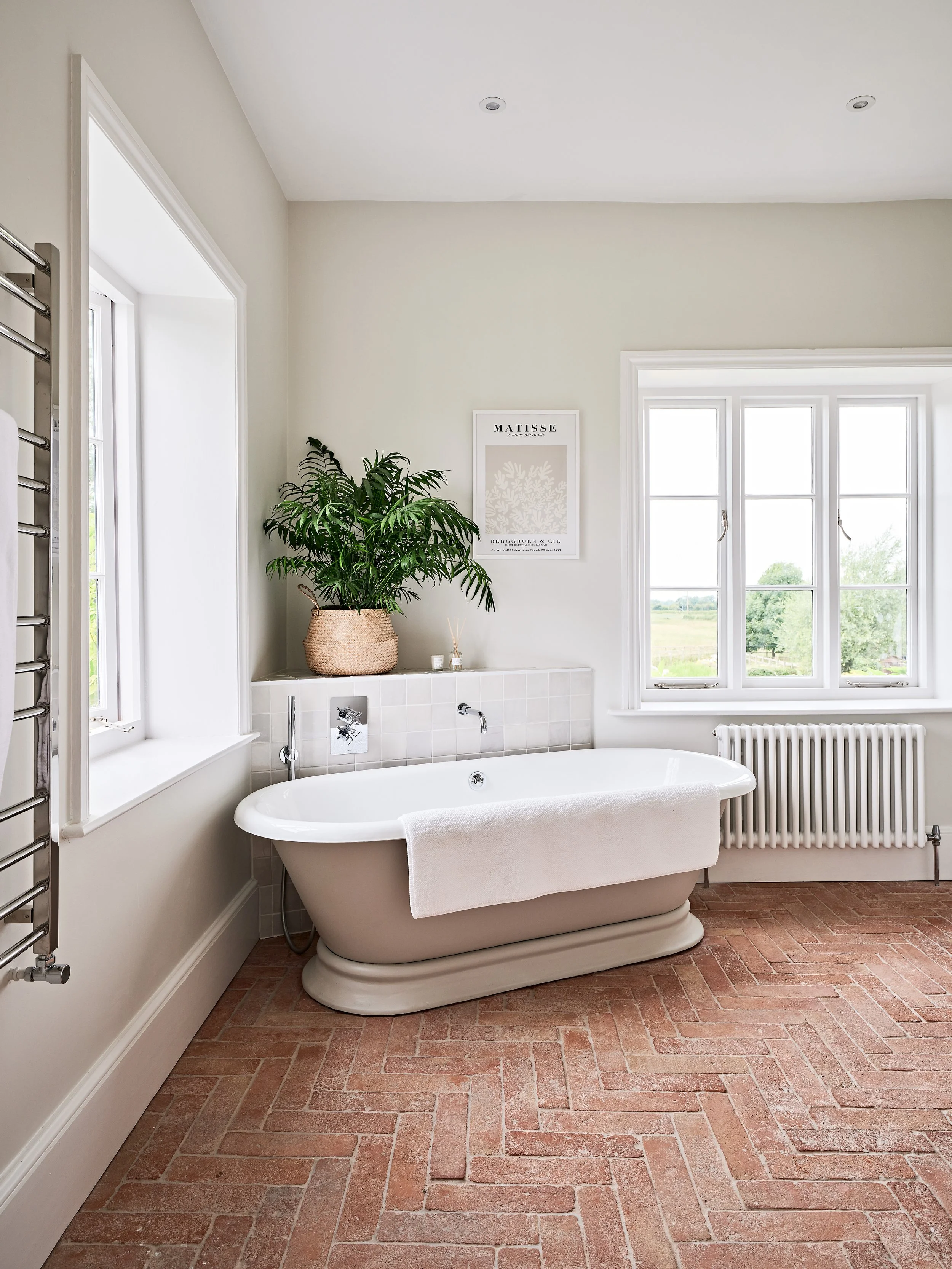
Understanding PTV: the Pendulum Test Value
In the UK, the Health and Safety Executive recommends the pendulum test as the preferred way to assess floor slip resistance. The result is expressed as a Pendulum Test Value, usually shortened to PTV.
The Tile Association summarises the results as follows:
PTV 0–24: high slip potential
PTV 25–35: moderate slip potential
PTV 36 or above: low slip potential
For a bathroom, the most useful information is normally the result achieved in wet conditions. A dry PTV may look reassuring, but it does not necessarily show how the tile will perform once water is introduced.
When comparing tiles, check whether the figure is a wet or dry result and ask what test conditions were used. A supplier should be able to provide technical information from the manufacturer rather than relying on a general description such as “anti-slip”.
What do R9, R10 and R11 mean?
You may also see floor tiles described as R9, R10, R11, R12 or R13. These classifications come from an inclined ramp test carried out with footwear and oil on the surface. As the number rises, the tile has achieved a higher classification within that particular test.
It is tempting to treat the R scale as a straightforward bathroom guide, but it should be interpreted carefully. The test conditions are not the same as a barefoot bathroom floor contaminated with water or soap. The HSE specifically warns that an R9 classification does not demonstrate good wet slip resistance and says an R9 floor is likely to be slippery when wet.
An R rating can still form part of the product information, but it should not replace relevant wet test data. If a bathroom or shower area is expected to become wet, ask for the wet PTV or other test information that relates more closely to the intended use.
What about barefoot ratings?
Some tiles, particularly those designed for swimming pools, showers or changing areas, may display a barefoot classification. These tests are designed to consider surfaces used without footwear and may use lettered categories such as A, B and C.
Again, the classification belongs to its own test method and should not be converted directly into a PTV or R rating. A product may carry more than one result because it has been assessed in several ways.
For a domestic bathroom, you do not need to become an expert in every testing system. What matters is that the information supplied is relevant to the area in which the tile will be installed. Your bathroom designer can help interpret the technical data and confirm the manufacturer’s recommended applications.
Does a matt tile automatically have better grip?
Not necessarily. A tile may look matt or textured but still need proper testing to establish how it performs. Equally, not every smooth-looking tile will give the same result.
Fine surface texture can contribute to slip resistance, particularly when water is present, but visual appearance alone is not a reliable test. Glaze, profile, material, manufacturing process and surface treatment can all influence performance.
This is why it is important to check the product data rather than simply touching the tile or judging it from an image. Samples are invaluable for assessing colour and texture, but a technical slip result provides information that appearance cannot.
Is the highest rating always best?
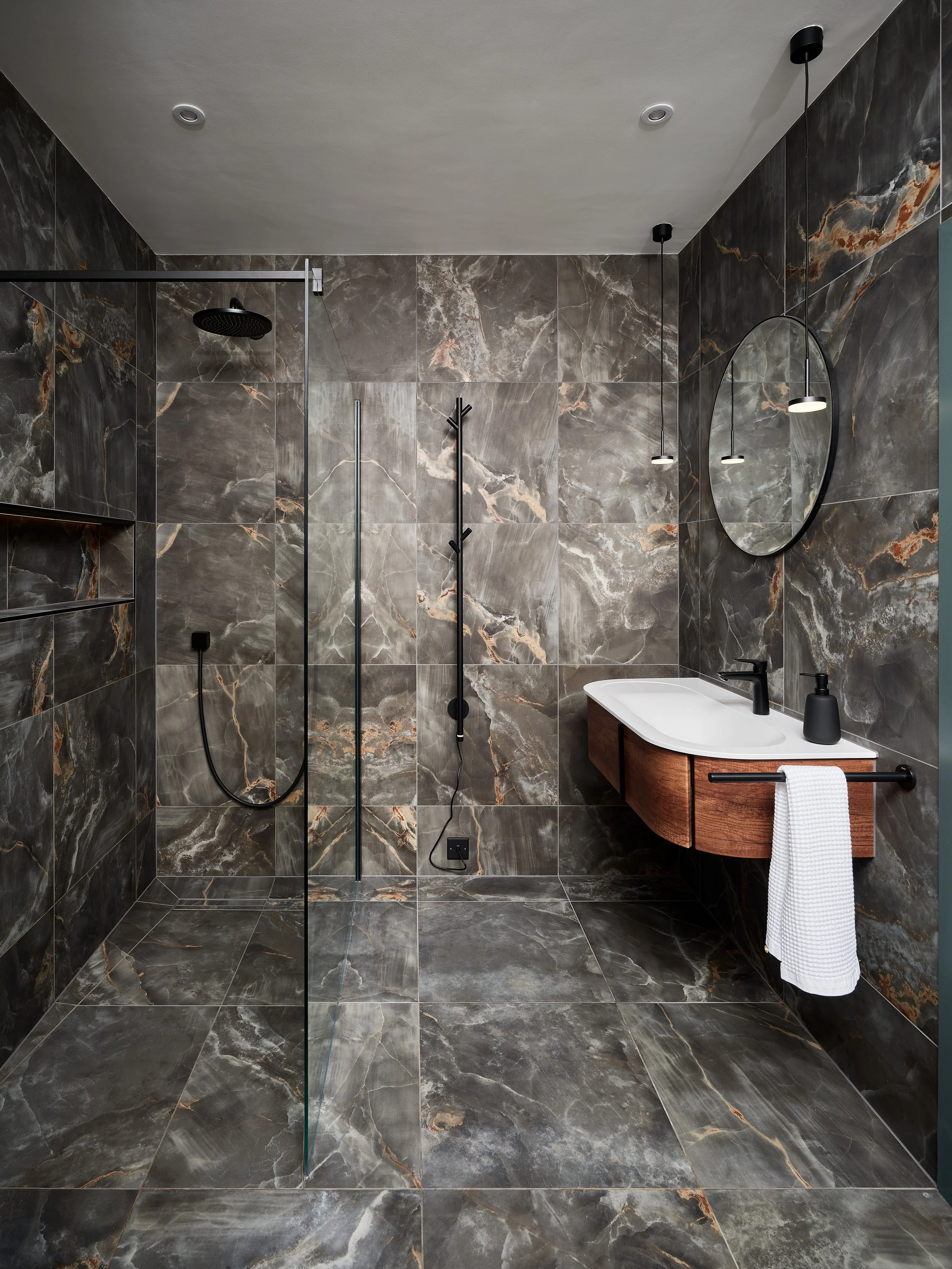
More slip resistance is not automatically better for every part of the bathroom. Highly textured surfaces can feel different under bare feet and may require more careful cleaning because dirt and residue can collect within the texture.
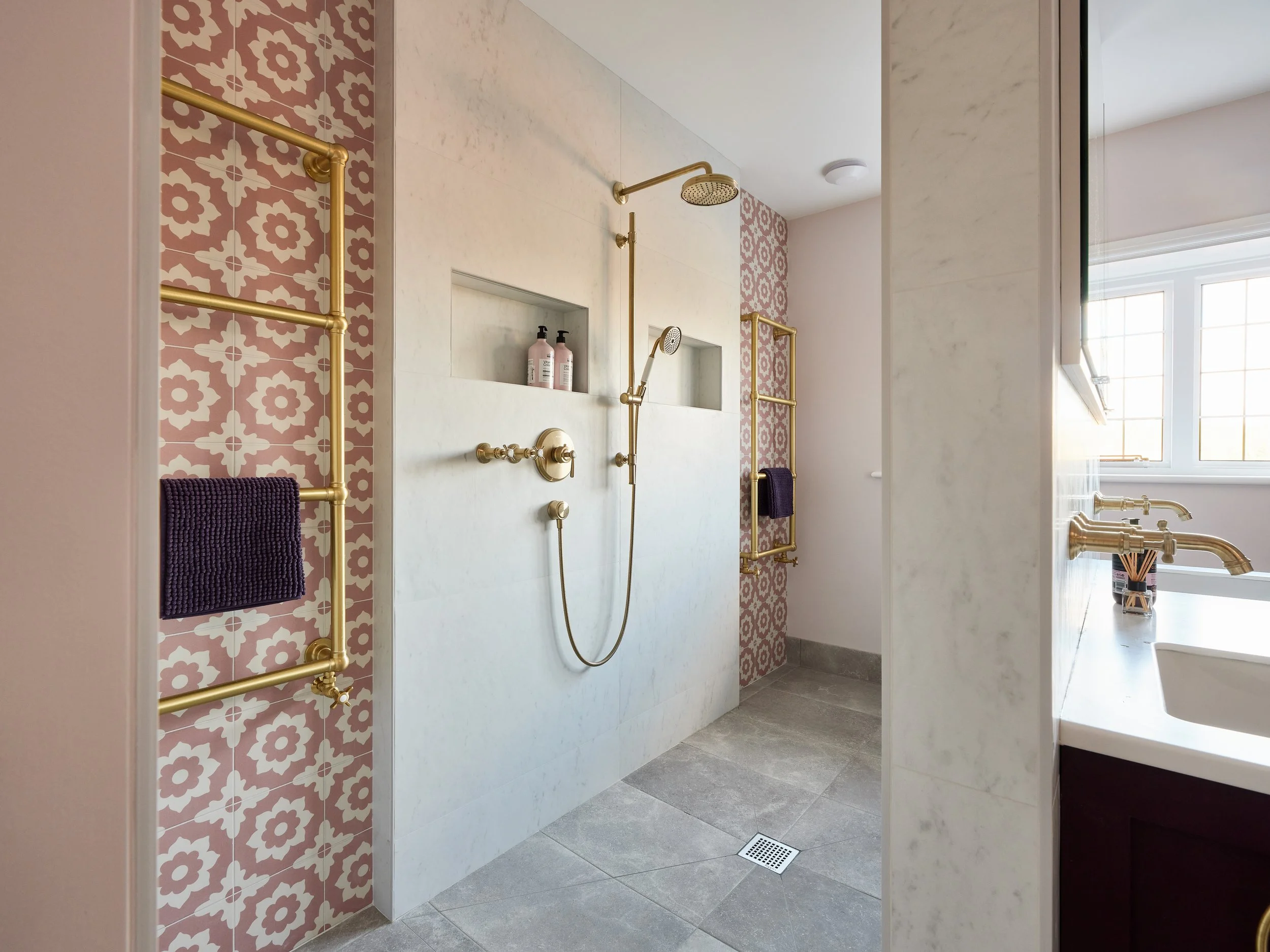
The aim is to choose a tile with appropriate slip resistance for its location while also considering comfort, maintenance and the desired look. A shower floor may need a different specification from the main bathroom floor, even when the two areas are visually connected.
This does not mean the design has to feel disjointed. Many tile ranges offer coordinating finishes, formats or colours for different applications. A smoother wall tile can be paired with a more suitable floor version, or a small mosaic can be introduced within the shower while the rest of the room uses a larger format.
Installation, cleaning and maintenance matter too
A slip rating relates to a test result, but the performance of an installed floor is also influenced by its surroundings and condition. Water pooling because of inadequate drainage, a build-up of soap residue or unsuitable cleaning products can all affect the surface.
It is advised that floors should be cleaned regularly rather than allowing dirt to build up. Manufacturer guidance should be followed, particularly where the tile has a textured or specialist finish.
Good bathroom design considers the whole system: the correct tile, suitable preparation and installation, appropriate falls and drainage, effective ventilation and an achievable cleaning routine. A rating is important, but it works alongside all of these decisions.
Questions to ask before choosing a bathroom floor tile
Before making your final selection, ask:
Is the tile approved by the manufacturer for floor use?
Is it suitable for a domestic bathroom, shower floor or wet room?
Which test method was used to assess its slip resistance?
Is the quoted result for wet or dry conditions?
If a PTV is supplied, what value did the tile achieve when wet?
Are there different coordinating finishes for the wall, main floor and shower area?
What cleaning and maintenance does the surface require?
Clear answers will make it much easier to compare products accurately and choose with confidence.
A safer floor can still be beautiful
Considering slip resistance does not mean compromising on the design. Colours, patterns and natural effects are available across an enormous range of floor tiles, including options created specifically for wet and barefoot areas.
The key is to begin with how the bathroom will be used, then find the most beautiful tile that meets those practical needs. A well-designed room should balance appearance, comfort, maintenance and safety rather than treating any one of them as an afterthought.
Visit your nearest Ripples showroom to explore our bathroom tile collections and discuss the right finishes for each part of your space. Our experienced designers can help you interpret product information and create a bathroom that feels both beautifully considered and appropriate for everyday life. Book a design appointment with your local Ripples showroom today.

For more bathroom advice from our team of specialist bathroom designers, download or request a copy of our free Style Guide.
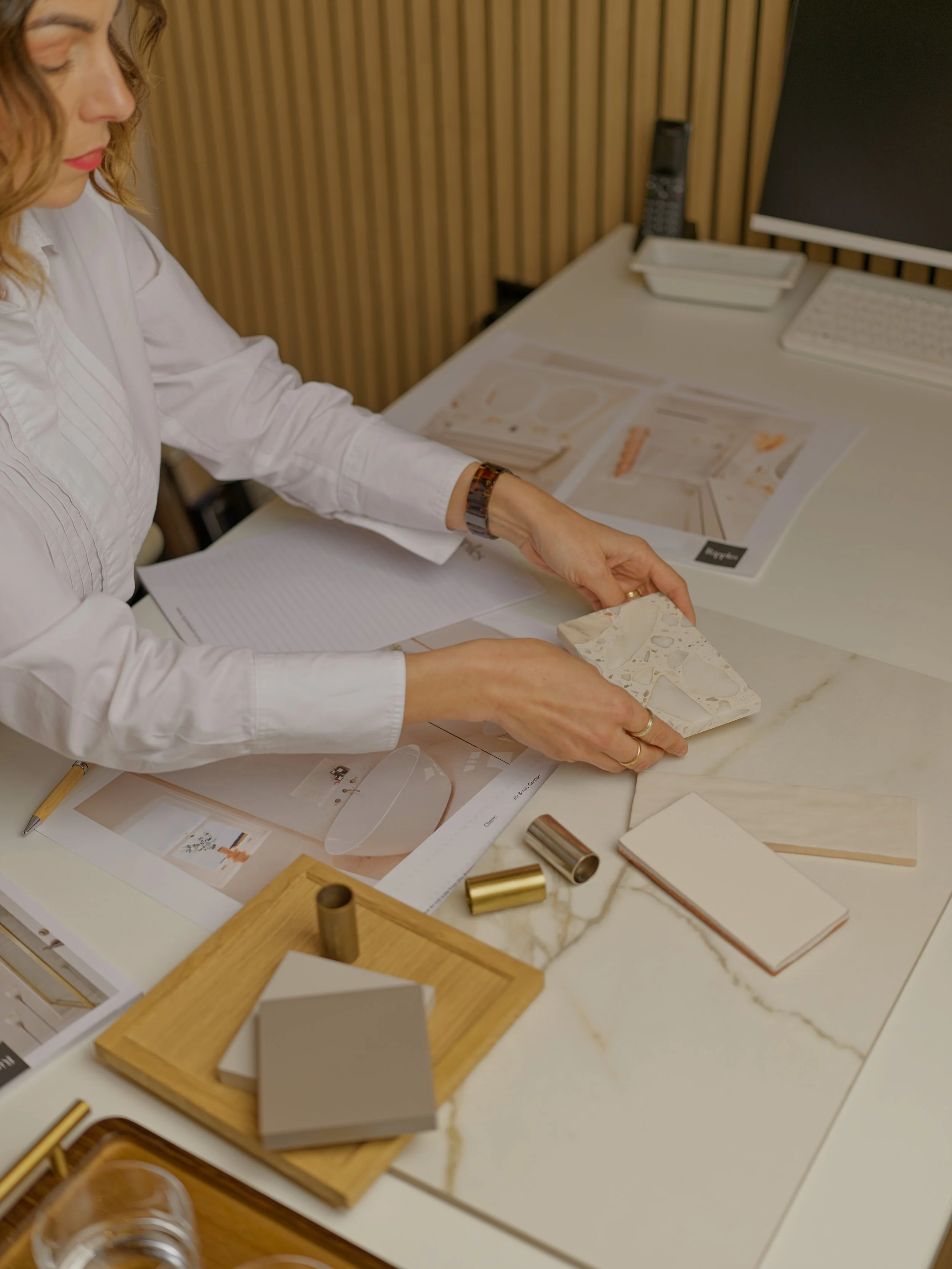
Visit a Ripples bathroom showroom near you to explore our beautiful collection and speak to a specialist bathroom designer about your project.