
Designer advice: Designing an accessible shower that works beautifully for every stage of life

Accessible shower design is no longer seen as purely functional. Today, it’s an integral part of creating a bathroom that feels effortless to use, beautifully considered and designed to stand the test of time.
Whether you’re planning for later life, adapting a space for specific mobility needs, or simply looking to future-proof your home, an accessible shower should strike a careful balance between safety, comfort and design. Here, Emily, Designer, from Ripples Walton-on-Thames shares how to achieve a shower space that is both beautiful and accessible.
Start with longevity in mind
The most successful accessible bathrooms begin with a long-term perspective.
Rather than reacting to immediate needs, designing an accessible shower early ensures the space remains easy to use as requirements evolve. This approach supports independence while avoiding the need for disruptive changes later on. At its core, accessible design is about creating a shower that feels intuitive, adaptable and comfortable for everyone who uses it.
Level-access showers: the foundation of accessibility
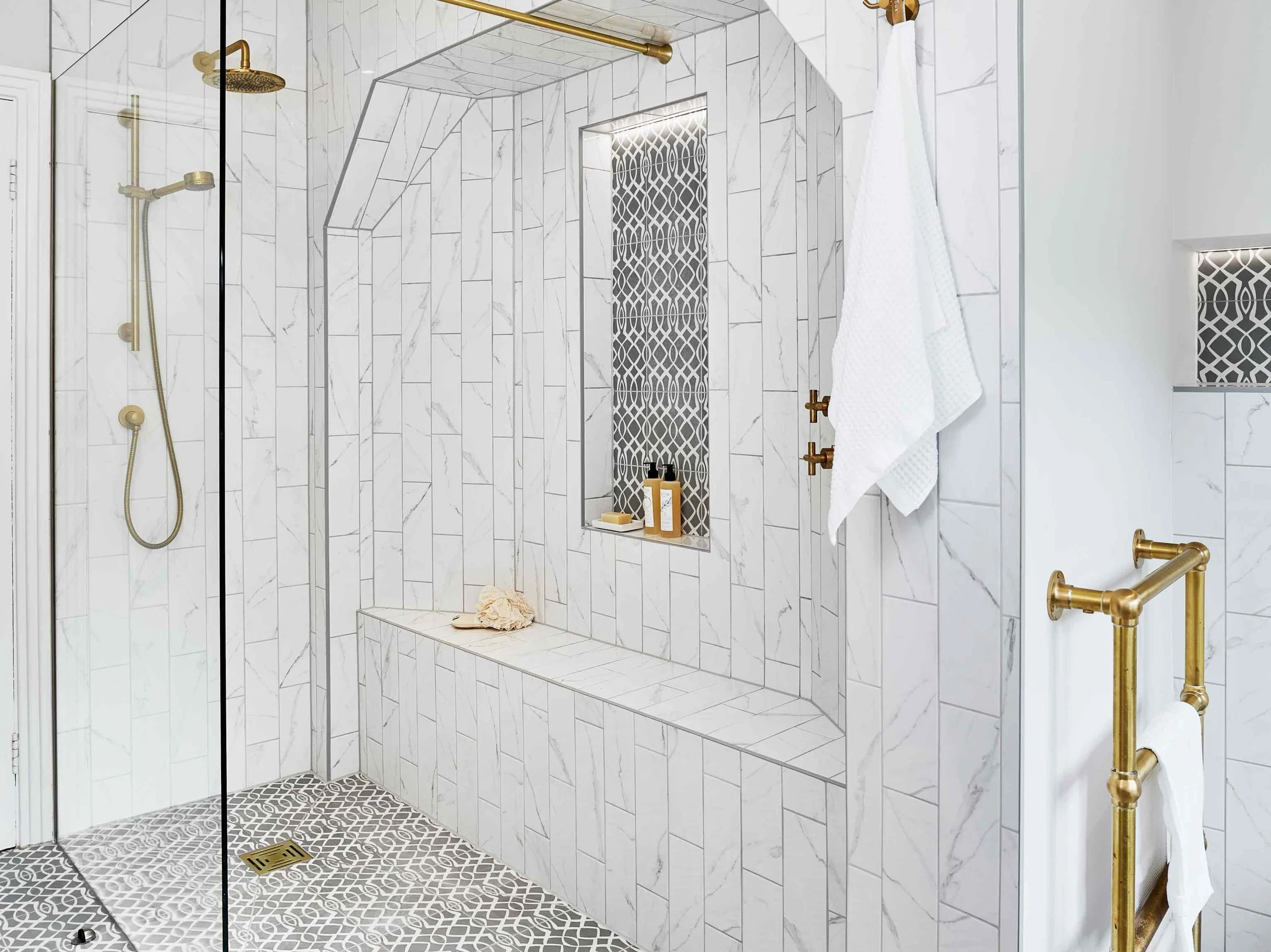
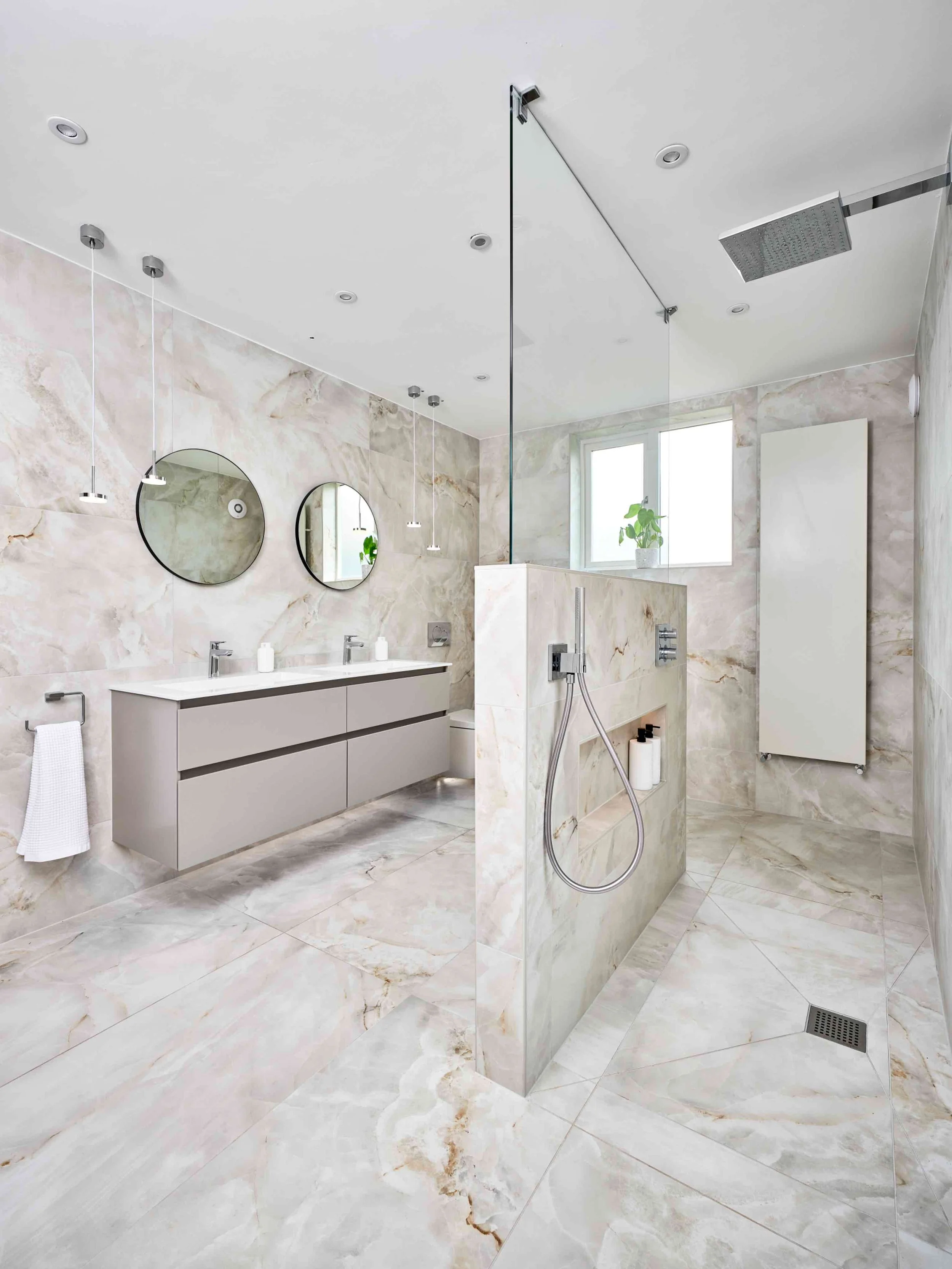
A level-access shower, often referred to as a walk-in shower, is one of the most effective ways to improve both safety and usability.
By removing steps or raised trays, the shower becomes easier to enter and exit, reducing trip hazards and allowing for:
Wheelchair or mobility aid access
Greater freedom of movement
A more open, spacious feel
With careful planning, drainage can be seamlessly integrated into the floor, maintaining a clean, design-led aesthetic.
“Today, there’s no need to compromise. We can integrate accessibility in a way that feels seamless, elegant and completely bespoke to each client.”
-Emily, Designer Ripples Walton-on-Thames
Designing for safety, without compromise
Modern accessible shower design allows safety features to be incorporated subtly, without disrupting the overall look of the space.
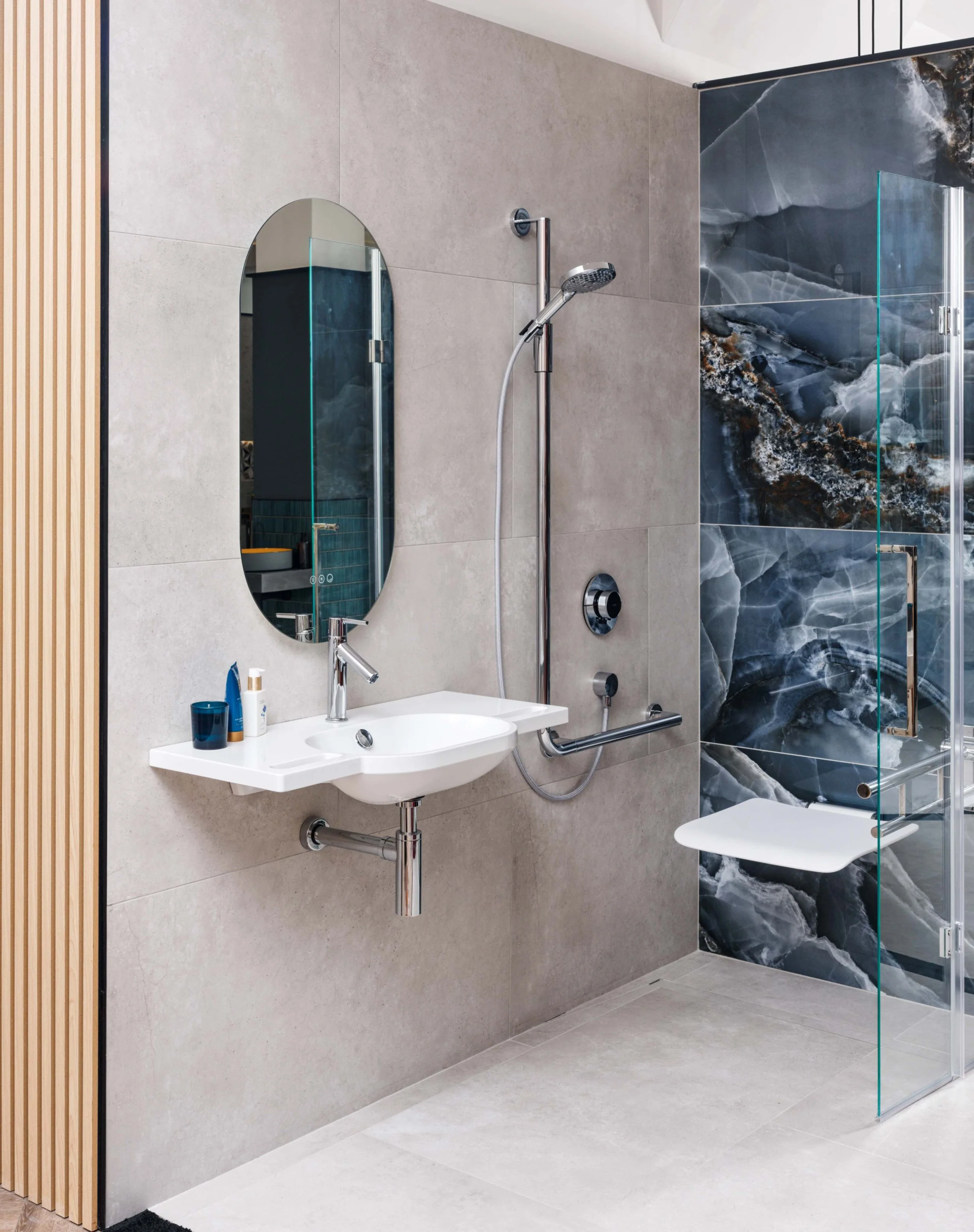
Grab rails, for example, provide essential support but can be selected in finishes that match brassware, helping them feel cohesive rather than clinical.
Non-slip flooring is another key consideration, offering reassurance underfoot while still aligning with the chosen material palette.
A thermostatic shower is highly recommended, maintaining a consistent water temperature and preventing sudden fluctuations - an important feature for both comfort and safety.
Enhancing comfort and usability
An accessible shower should feel easy and comfortable to use every day.
Integrated or fold-down seating provides stability and allows users to shower at their own pace, while maintaining flexibility within the space.Handheld shower heads on adjustable rails offer greater control and adaptability, particularly for seated use or assisted showering.Positioning controls at an accessible height and ensuring they are simple to operate can make a significant difference to the overall experience.
Small details that make a big difference
Thoughtful design details play a crucial role in creating a shower that works effortlessly:
Wide openings or minimal glass panels improve access
Recessed niches keep essentials within easy reach
Clear, layered lighting enhances visibility and confidence
Simple, intuitive controls support ease of use
Individually, these elements may seem subtle, but together they create a space that feels calm, practical and well resolved.
Supporting independence through design
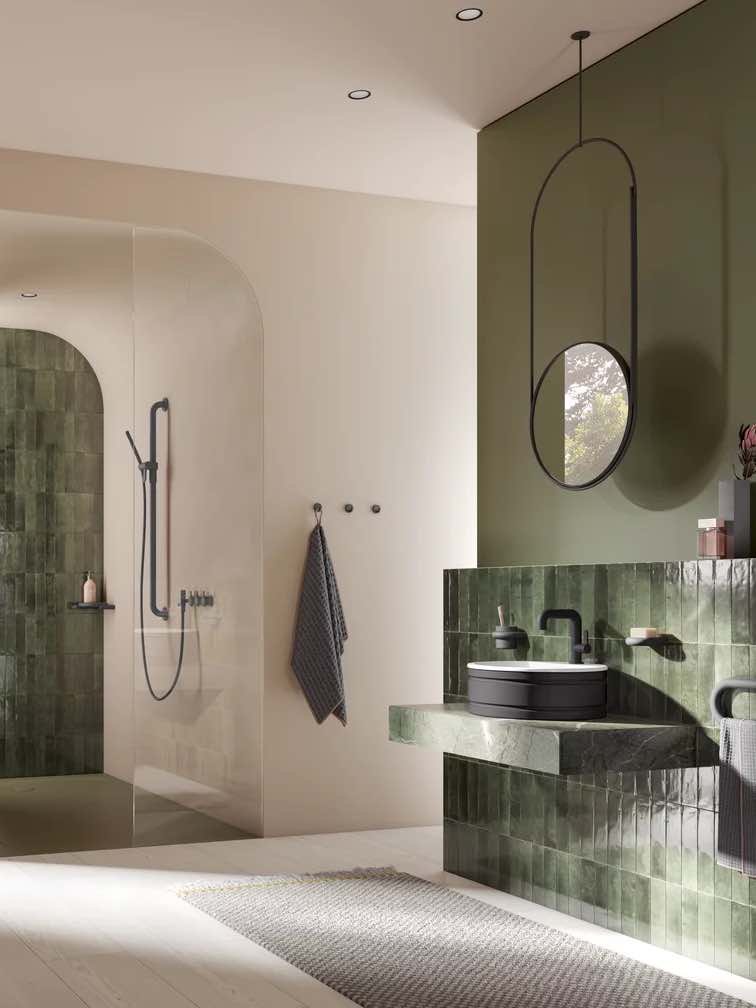
At its heart, accessible shower design is about supporting independence. A well-designed space allows users to move confidently and comfortably, reducing reliance on others while maintaining dignity and ease within daily routines. This is where thoughtful design has its greatest impact - not just physically, but emotionally. Accessible bathrooms no longer need to feel clinical or purely functional. With a design-led approach, features such as level access, integrated seating and supportive fittings can be incorporated seamlessly, creating a space that feels cohesive, elegant and in keeping with the rest of the home.
The best accessible showers are those that feel considered rather than adapted. By focusing on accessibility, longevity and design from the outset, it’s possible to create a space that works beautifully for every stage of life - supporting comfort, independence and everyday wellbeing without compromise.
Book a design appointment with your local Ripples showroom today and discover how heating can transform your bathroom into a sanctuary.

For more bathroom advice from our team of specialist bathroom designers, download or request a copy of our free Style Guide.

Make a statement with a bath in your bedroom or confine it to the bathroom? We asked two designers to give their thoughts.